Quick takeaways
- Tea needs opaque airtight packaging and protection from odors.
- Cookies need dates, allergen labels and rigid support.
- Jars add leakage, temperature and transport risk.
- Dry, stable plant-fiber crafts are the easiest non-food option.
What should you buy in Lahijan?
Tea is the city’s clearest edible identity, while cookies are easier to share immediately and small woven objects offer a non-food alternative. Choose by recipient and route: a tea drinker may appreciate a well-labeled leaf tea, an office may prefer individually packed cookies, and a traveler with a long warm journey may be safer with a dry craft than a jar.
Plan a mixed gift only when every component can be stored safely. Tea readily absorbs odors, cookies crush, and preserves can leak. Separate inner packages and keep a simple note of origin, ingredients and care.
Before entering a shop, decide whether the gift is for daily drinking, immediate sharing or long-term display. This prevents attractive packaging from replacing function. It also helps control total weight: tea is light, glass is heavy, cookies need volume, and a basket may be light but awkward unless it can nest around other luggage.
Lahijan tea: read the package, not the scenery
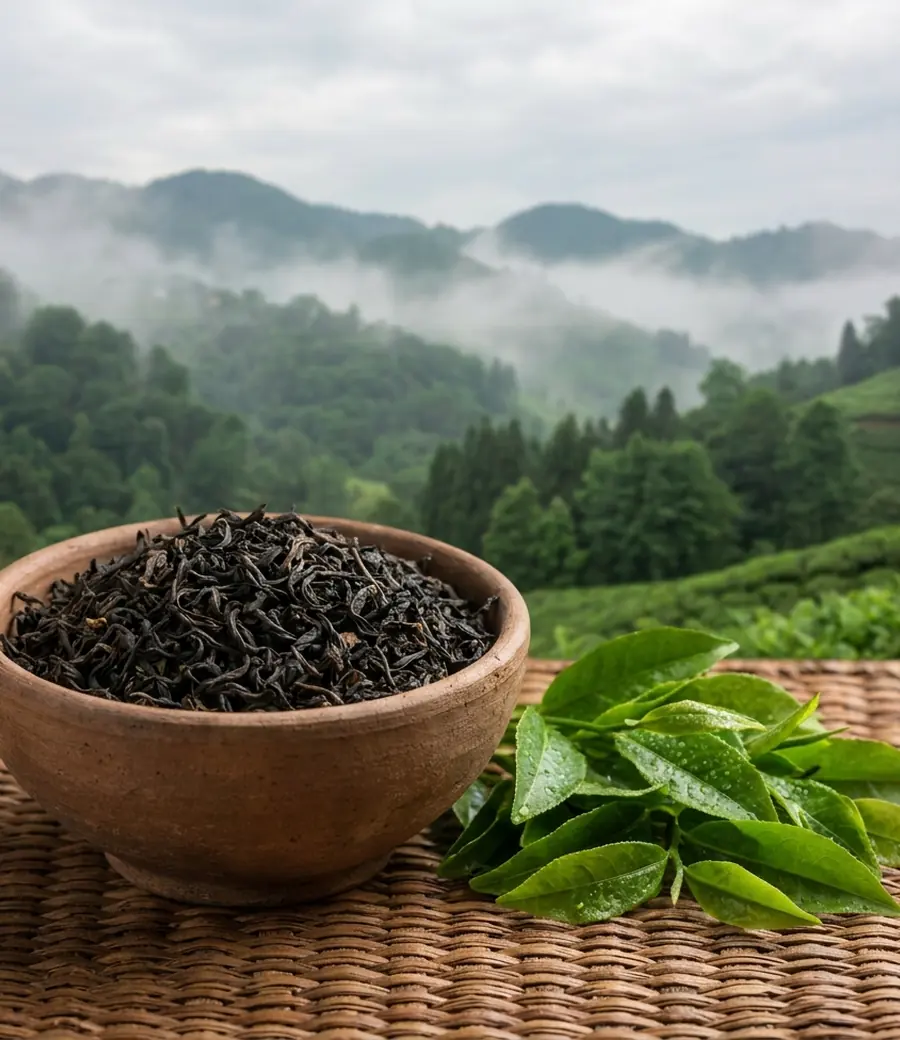
Gilan’s landscape and Lahijan’s tea history provide meaningful context, but a green hillside on a box does not prove where leaves were grown or how they were processed. Look for product name, producer, net weight, packing date, storage advice and any stated origin. Whole or visibly cut leaves let an ordinary buyer observe more than an opaque powdered blend, yet appearance still cannot establish laboratory quality.
Smell only with permission and avoid touching open stock. Compare two brews if a seller offers a clean tasting, noting aroma, astringency and the amount of leaf used rather than chasing a dramatic dark color.
A museum or regional page can document the area’s tea history, but it cannot verify a retail batch. Treat official context as background and the package as the evidence available for the purchase. If origin matters, ask for a specific written statement and keep it; do not upgrade a vague marketing phrase into a certainty.
Choose tea for the recipient’s brewing habit
Loose leaf suits someone with a pot, infuser and interest in adjusting dose. Sealed tea bags may be more practical for an office or hotel traveler. A gift should not require equipment the recipient does not own. Ask whether the tea is flavored and whether additional ingredients are declared, because scent can come from processing or added flavor and these are different expectations.
Buy a quantity that can be consumed while fresh. Several small opaque packs protect unused tea better than one large frequently opened bag, especially in a humid kitchen.
When tasting, compare the same water temperature and steeping time if possible. Strong bitterness can result from excess leaf or time, not necessarily from superior tea. Ask how the seller recommends measuring one cup and write it on the gift card. Useful brewing guidance makes an unfamiliar tea easier for the recipient to enjoy.
Cookies and local sweets: freshness first
Lahijan cookies are convenient gifts, but texture depends on production date, filling, fat and storage. Read ingredients, allergens, net weight and best-before information. Inspect seals and choose boxes with internal support. A large decorated box may contain little product or allow movement, so gently assess whether the contents are protected without opening retail packaging.
Buy close to departure and keep the box cool, flat and away from heavy luggage. If sharing among colleagues, smaller sealed portions can be cleaner and easier than one open tray.
Check how much empty space is inside the cookie box and whether layers are separated. A clean production date and intact inner wrap matter more than a souvenir illustration. If the trip includes several hotel changes, keep the box in a dedicated rigid bag rather than repeatedly compressing it among clothes.
Preserves and northern foods need a shorter risk chain
Jams, pickles and other moist foods can be attractive but demand intact seals, clear ingredients and careful temperature management. Reject bulging lids, leakage, rust or missing dates. Ask whether refrigeration is required before or after opening. Do not assume a traditional recipe is shelf-stable merely because it is sold as a souvenir.
Place jars in separate leak-resistant bags with cushioning, respect airline liquid rules and verify destination food regulations. For a long connection or hot road journey, dry tea or a craft may be the wiser gift.
Glass adds weight and breakage risk even when the seal is sound. Compare the value of carrying one distinctive jar with the safer option of a dry product. If the recipient lives far away, do not promise a product will remain safe outside refrigeration unless the manufacturer’s label clearly supports that storage.
Mat weaving and lightweight crafts
A small mat, basket or plant-fiber object can carry the northern material culture without food restrictions. Check that fibers are dry, edges are secure, the base sits evenly and handles are attached at stress points. Ask what the material is, where the item was made and whether it should be kept away from moisture or direct sun.
Choose a form the recipient can use: coaster, tray or compact basket rather than a large decorative object with no place. Natural variation is expected, but mold odor, dampness and unstable construction are not signs of authenticity.
For baskets, examine both the decorative face and the hidden base. Ends should be tucked securely and the piece should not wobble under its intended load. Ask whether fibers were dyed and whether color can transfer when damp. A care note can prevent a useful craft from being stored in a humid place.
Buy respectfully and document expensive claims
When purchasing directly from a maker, ask before photographing and let the person explain material and process in their own terms. Do not bargain by dismissing labor. When buying from a retailer, separate what the shop observed from what it assumes. For any costly textile or silk claim, request material, maker or workshop when known, condition and price in writing.
A receipt and honest uncertainty are stronger than a romantic story. Never invent a ceremonial use or claim that every object is handmade simply because the category has a local tradition.
Fair purchasing does not require accepting every claim. Respect the maker while asking precise questions and taking time to decide. If a retailer cannot identify a workshop, describe the object only by what is observable. This protects the recipient from a false story and protects local craft traditions from careless generalization.
Packing Lahijan souvenirs
Keep tea in an opaque airtight inner pack away from perfume, spices and humid clothes. Support cookies with a rigid shell. Double-bag jars, cushion them and keep them within carrier rules. Allow plant-fiber crafts to remain dry and ventilated rather than sealing existing moisture inside plastic.
On arrival, inspect seals, unpack crafts and store tea away from heat, light, air and odor. Give the recipient the label and care note. Good packing protects known quality; it does not correct missing origin or safety information.
Place odor-sensitive tea in a separate sealed pouch even inside a suitcase. Put a small card outside each package so security inspection or the recipient does not need to open everything to identify it. When gifting food, the original ingredient and date label should remain visible or travel with the item.
Final checklist
Confirm recipient, ingredients or material, producer, dates, storage, weight, total price and luggage conditions. Compare at least two realistic choices. Pause when labels are missing, seals are damaged, a seller discourages questions, or a perishable product must survive a journey it was not designed for.
For international travel, current customs, agricultural and airline rules belong to the destination and carrier. Check them close to departure rather than relying on a shop’s general assurance.
Review the full cost, including protective packaging and possible checked baggage. A lower-priced item that arrives damaged is not economical. If two options are equal, choose the one with clearer labeling, simpler care and a better fit for the recipient. These criteria are more durable than an unsupported superlative.
Frequently asked questions
What is Lahijan best known for as a souvenir?
Tea is the signature choice, while cookies and compact plant-fiber crafts are practical alternatives.
How can I choose Lahijan tea?
Compare clear labels, packing date, producer, storage and leaf form; do not infer origin from package imagery alone.
Can I fly with jam or pickles?
Rules vary by airline and destination. Check liquid, food and customs requirements close to travel.
How should tea be packed?
Use an opaque airtight inner package and keep it away from moisture, heat, light and strong odors.
What makes a woven craft travel-ready?
Dry fibers, stable edges and handles, a useful compact form and protection from crushing or moisture.
Sources and notes
The date beside a source is its recorded access date, not confirmation that the link works today or that the whole article has just been reviewed. The article’s update date is shown separately.
- Gilan Province — Visit Iran
Recorded source access: - موزه تاریخ چای ایران — Visit Iran
Recorded source access: